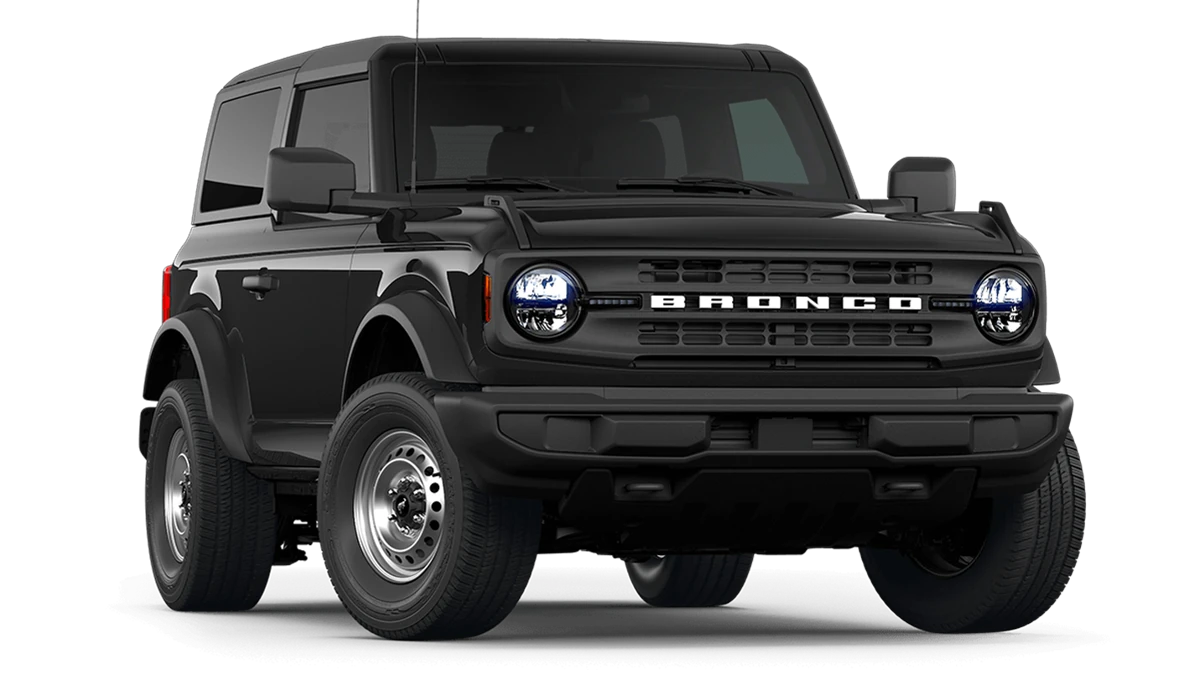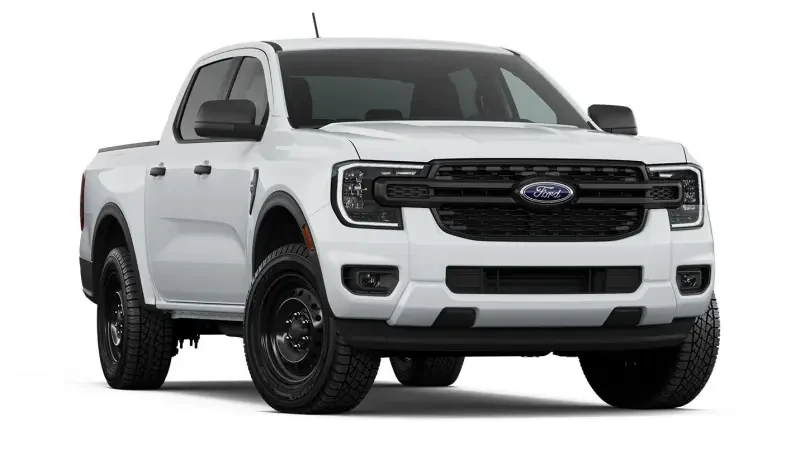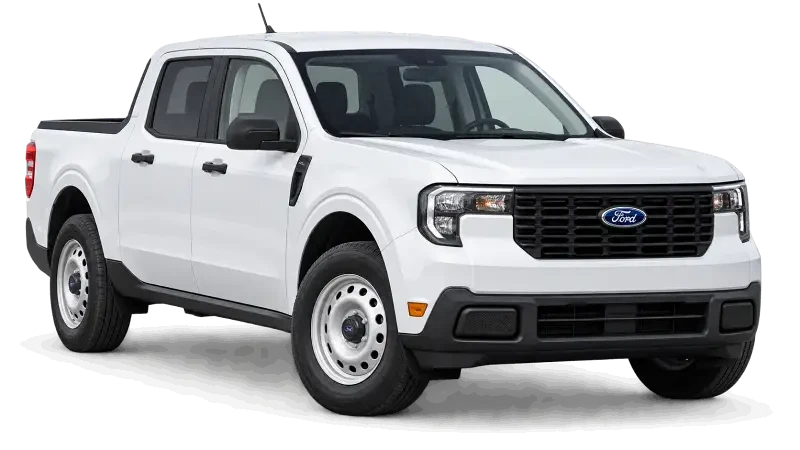
Ford Factory Fleet Ordering for Businesses
Order Ford trucks, vans and commercial vehicles around the needs of your business instead of limiting your purchase to whatever happens to be available in dealer inventory.
From vehicle configuration and FIN Code eligibility to upfits, financing, production tracking and delivery, I can help coordinate the factory ordering process around your current and future fleet needs.

More Than Simply Placing an Order
A good fleet order starts before the vehicle is submitted to Ford. The vehicle, equipment, timing and financial plan should work together.
Vehicle Selection
Determine which Ford truck or van best fits the employee, workload and business.
Explore Vehicles ↓Vehicle Configuration
Plan powertrain, drivetrain, payload, towing, dimensions and equipment around the job.
Configuration Planning ↓FIN Code
Qualified businesses should understand Ford fleet eligibility and available fleet programs.
FIN Code Information ↓Commercial Upfits
Plan service bodies, shelving, racks and other work equipment before the vehicle arrives.
Upfit Planning ↓Financing
Consider commercial financing, TRAC leasing and other fleet credit resources during planning.
Financing Options ↓Order Timing
Plan ahead for order banks, production schedules and future vehicle requirements.
Ordering Process ↓Production & Delivery
Stay informed as vehicles move through scheduling, production, transportation and delivery.
Production Tracking ↓Fleet Replacement
Use factory ordering to prepare for future replacements before vehicles become urgent needs.
Replacement Planning ↓Why Factory Order Ford Fleet Vehicles?
Dealer inventory can work well when the right vehicle is already available. But businesses often have more specific requirements than a typical retail vehicle buyer.
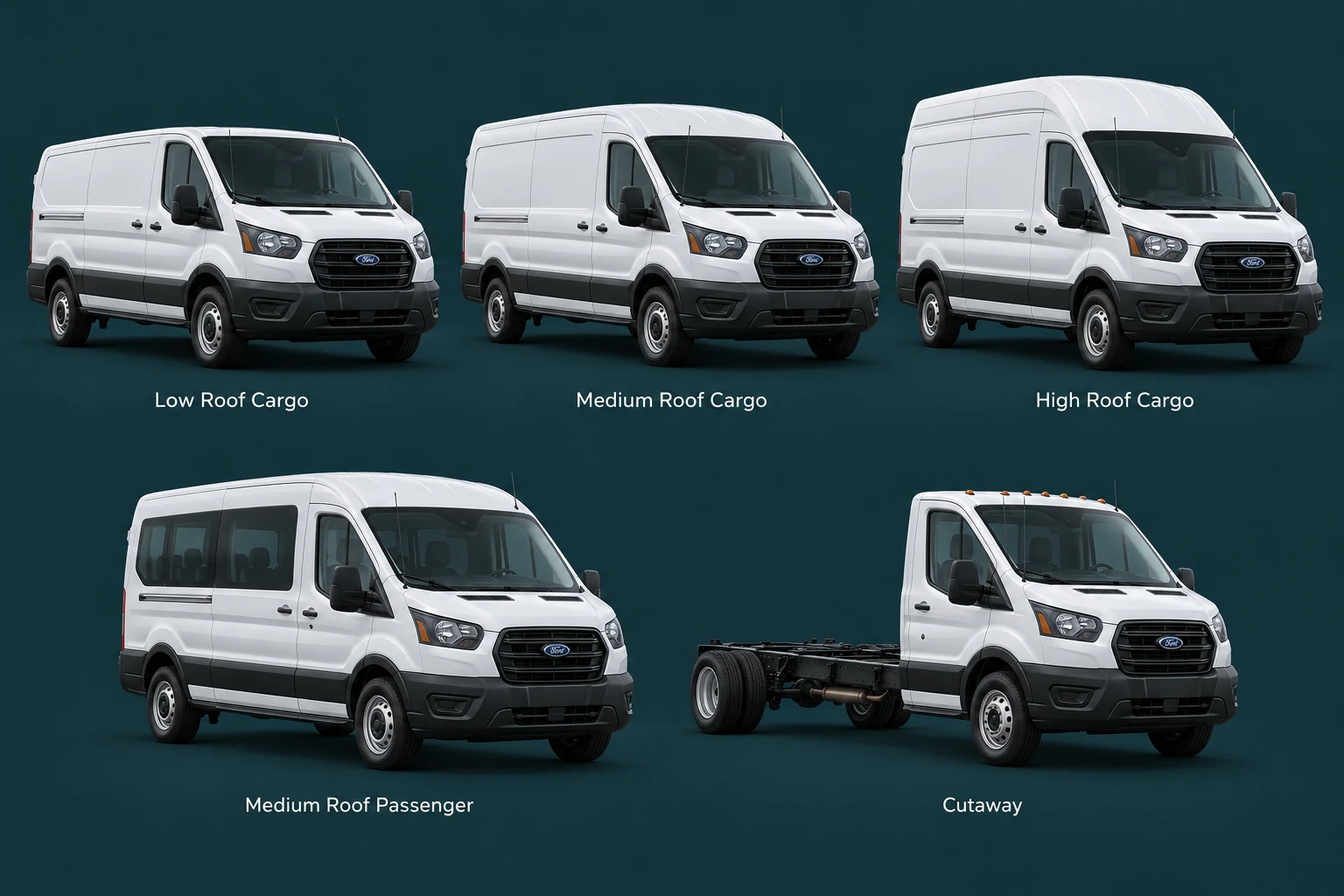
A service truck may need a particular engine, drivetrain, towing package, bed configuration or upfit. A Transit may need a specific roof height, body length, GVWR or equipment package. A larger fleet may also need several vehicles configured consistently.
Factory ordering gives the business an opportunity to configure the vehicle around the job before it is built.
The goal is not simply to place an order. The goal is to make sure the vehicle being ordered is configured correctly for the employee, workload, equipment and expected fleet use.
Factory Ordering May Make Sense When You Need:
- A specific Ford model or trim
- A particular engine or drivetrain
- Specific towing equipment
- A certain cab or bed configuration
- A specific Transit roof height or length
- Commercial packages or options
- Multiple similarly configured vehicles
- A vehicle planned around an upfit
- Specific colors or equipment combinations
- Future replacement vehicles ordered in advance
Build the Vehicle Around the Job
Factory ordering can give businesses more control over vehicle configuration and how each vehicle fits into the larger fleet.
Choose the Right Configuration
Select the vehicle, powertrain, drivetrain, cab, bed, packages and equipment around actual job requirements.
Avoid Unnecessary Equipment
A planned order can help avoid paying for features that add cost without providing meaningful value to the employee or business.
Plan for Upfits
Vehicle specifications can be reviewed before ordering when shelving, racks, service bodies or other commercial equipment will be added.
Standardize the Fleet
Businesses ordering multiple vehicles can work toward consistent configurations across employees, departments or locations.
Plan Future Replacements
Vehicles can be ordered as part of a replacement strategy instead of waiting until an aging vehicle must be replaced immediately.
Review Fleet Programs
Qualified fleet customers can review applicable Ford fleet programs and purchasing opportunities before finalizing the order.
What Should Be Reviewed Before Placing a Fleet Order?
A commercial vehicle should be configured around what it will actually be expected to do after delivery.
Employee Use
Identify who will drive the vehicle, how it will be used and what the employee does during a typical workday.
Mileage
Consider annual mileage, highway driving, local routes and stop-and-go use when planning the vehicle.
Payload
Include passengers, tools, equipment, materials, accessories and anything else the vehicle will regularly carry.
Towing
Identify expected trailer weight and towing frequency before selecting the vehicle and towing equipment.
Cargo & Storage
Determine how tools, parts, materials and equipment will be stored, secured and accessed throughout the workday.
Upfit Requirements
Consider shelving, racks, toolboxes, utility bodies, service bodies and specialized equipment before the configuration is finalized.
Factory Order the Ford Vehicle That Fits the Job
Different employees may need different vehicles, powertrains and configurations within the same fleet.
Ford Maverick
A compact pickup option for lighter-duty applications where maneuverability and pickup-bed utility are important.
Explore Ford Maverick →Ford Ranger
A midsize pickup for businesses needing traditional truck capability in a smaller overall package.
Explore Ford Ranger →Ford F-150
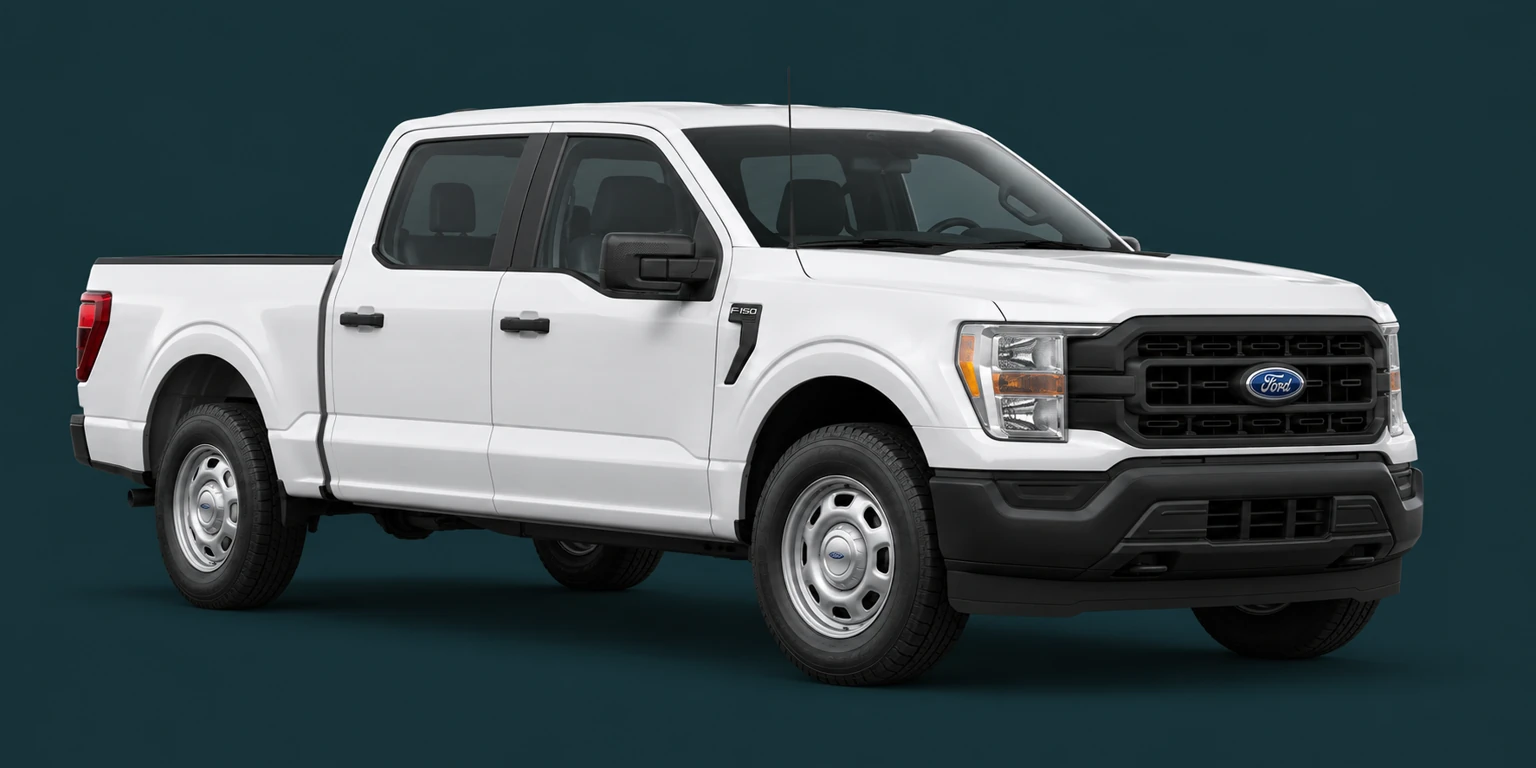
A full-size truck with multiple powertrain, cab, bed and equipment configurations for many fleet uses.
Explore Ford F-150 →Ford Super Duty
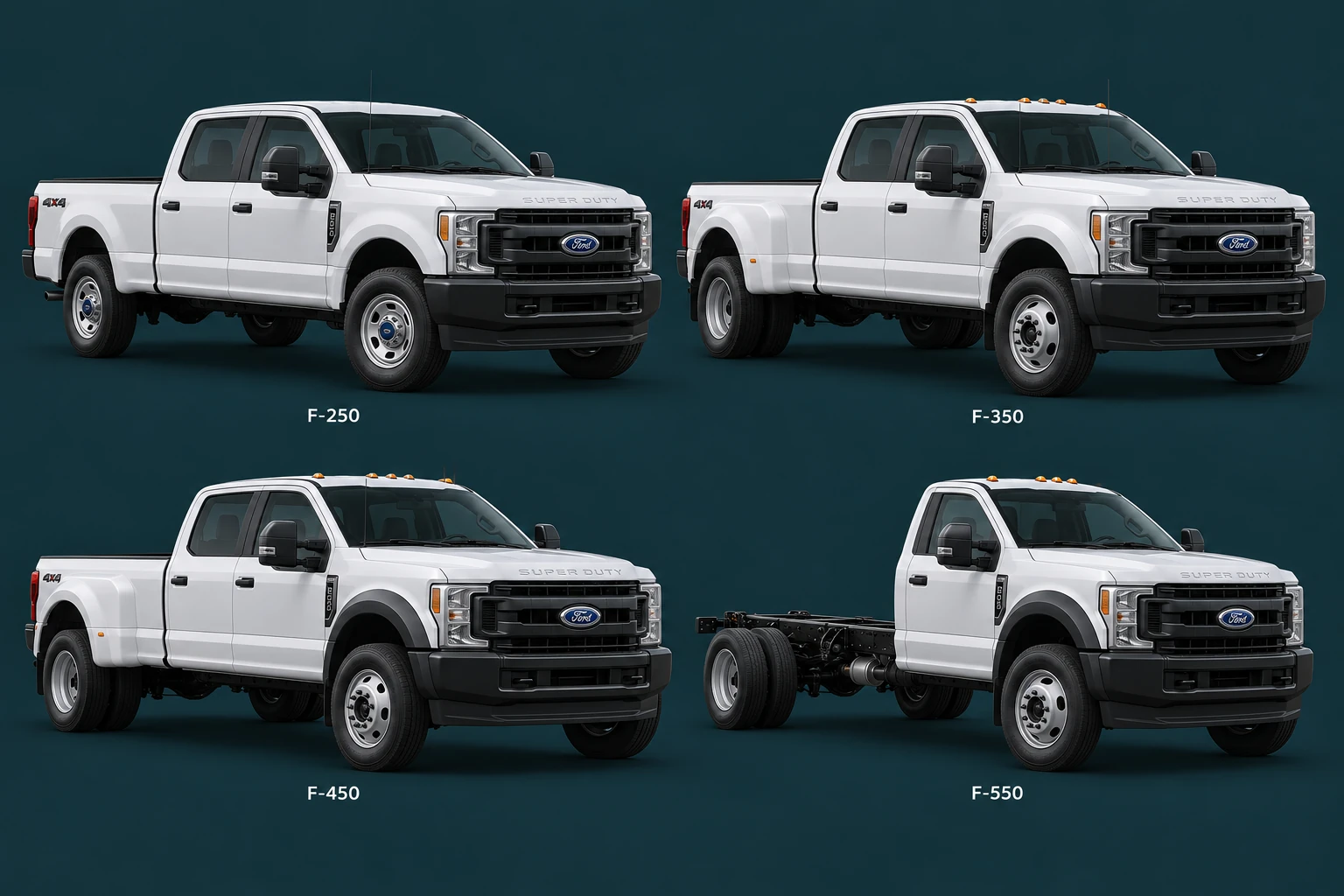
For heavier towing, payload, chassis-cab applications, commercial bodies and demanding work requirements.
Explore Super Duty →Ford Transit
Configure cargo vans around roof height, body length, payload, equipment storage, service and delivery needs.
Explore Ford Transit →Commercial Vehicle Selector
Start with what the vehicle needs to do and use the Commercial Vehicle Selector to help narrow the choices.
Use the Vehicle Selector →FIN Codes, Fleet Pricing & Factory Orders
Businesses that qualify as Ford fleet customers may have access to programs and purchasing opportunities that differ from a traditional retail vehicle purchase.
A Ford Fleet Identification Number, commonly called a FIN Code, identifies qualified fleet customers within Ford’s fleet system.
If your business does not currently have a FIN Code, I can review your fleet requirements and help determine whether your company may qualify.


Plan Commercial Equipment Before the Vehicle Arrives
For many businesses, the factory vehicle is only part of the finished work vehicle.
Shelving, ladder racks, toolboxes, service bodies, utility bodies and other commercial equipment can affect payload, storage and vehicle configuration.
Reviewing the upfit before placing the factory order can help make sure the vehicle and equipment are planned together.
- Van shelving and storage
- Ladder racks
- Toolboxes and bed storage
- Service and utility bodies
- Dump and contractor bodies
- Specialized commercial equipment
Consider Financing While Planning the Fleet Order
Vehicle configuration and financing should not be treated as completely separate decisions.
The vehicle price, commercial upfit, expected ownership period, mileage and replacement strategy can all affect which acquisition structure deserves consideration.
Businesses can review commercial installment financing, Ford CommerciaLease TRAC and, for qualifying businesses with recurring vehicle needs, Ford Commercial Line of Credit.
Explore Fleet Financing & LeasingPlan Around the Fleet Strategy
- Commercial installment financing
- Ford CommerciaLease TRAC
- Ford Commercial Line of Credit
- Commercial upfit costs
- Expected ownership period
- Vehicle replacement cycle
The Ford Factory Fleet Ordering Process
From defining the vehicle requirement through production and delivery, the process should stay focused on what your business needs the vehicle to accomplish.
Review the Vehicle Need
Discuss the employee, workload, mileage, payload, towing, equipment and future fleet requirements.
Configure the Vehicle
Select the Ford model, powertrain, drivetrain, trim, packages, equipment and options that fit the job.
Review Pricing & Programs
Review the configuration, applicable fleet programs and pricing before submitting the order.
Submit the Factory Order
Once the configuration and order details are confirmed, the vehicle order can be submitted.
Track Production
Stay informed as the vehicle moves through scheduling, production and transportation.
Coordinate Delivery
Coordinate final delivery and get the completed vehicle into service for the business.
Order banks, production schedules, commodity availability and estimated delivery timing can change. Some configurations can also take longer than others.
If you expect to need vehicles in the coming months, reviewing those requirements early can help determine when it makes sense to begin the factory ordering process.
Stay Informed Through Production & Delivery
Placing the order is not the end of the process.
Factory orders move through scheduling, production, transportation and delivery. I stay involved so your business has a point of contact throughout the process.
That can be particularly useful when several vehicles are being ordered at different times or when replacement planning depends on expected vehicle arrival dates.
- Order submitted
- Production scheduling
- Vehicle production
- Transportation
- Dealer arrival
- Final delivery coordination
Fleet Ordering for Businesses With Vehicles in Different Markets
A business does not necessarily need all of its vehicles delivered to the same location where the fleet order is coordinated.
For qualifying fleet transactions, delivery arrangements may allow vehicles to be shipped to another Ford dealer closer to the location where the vehicle will enter service.
This can be useful for businesses with employees, branches or fleet operations in different parts of Florida or other markets.
Learn More About Ford Fleet OrdersOne Ordering Relationship
- Coordinate vehicle requirements in one place
- Standardize configurations across locations
- Plan recurring vehicle orders
- Coordinate delivery requirements
- Maintain a consistent fleet strategy
Don’t Wait Until a Vehicle Has to Be Replaced
Factory ordering becomes much more useful when it is connected to a fleet replacement plan.
Instead of waiting for an aging truck or van to become unreliable, businesses can review mileage, age, use and expected replacement needs ahead of time.
That creates an opportunity to order the right replacement vehicle earlier and reduce the pressure to purchase whatever happens to be available when the old vehicle finally needs to leave service.
Look Ahead at Future Vehicle Needs
- Current vehicle age
- Current mileage
- Maintenance history
- Expected annual mileage
- Upcoming business growth
- New employees or locations
- Expected vehicle replacement dates
Dealer Inventory or Factory Order?
Both can make sense. The right approach depends on timing, availability and how specific the vehicle requirements are.
Consider Dealer Inventory When…
- The vehicle is needed immediately
- The correct configuration is already available
- Color and options are flexible
- No specialized factory configuration is required
Consider a Factory Order When…
- The business needs a specific configuration
- Several similar vehicles are needed
- An upfit requires advance planning
- The purchase is part of a replacement plan
- You have time to plan before the vehicle is needed
Build the Vehicle Into a Complete Fleet Strategy
Ordering the vehicle is one part of managing a productive commercial fleet.
Fleet Planning
Review current vehicles, employee requirements and future fleet needs before ordering.
Explore Fleet Planning →Fleet Financing
Compare commercial financing and leasing strategies around vehicle use and ownership plans.
Explore Fleet Financing →Ford Telematics
Larger fleets can use connected vehicle data to help understand utilization, maintenance and driver activity.
Explore Ford Telematics →Commercial Upfits
Coordinate the vehicle configuration with the equipment needed to turn it into a productive work vehicle.
Explore Upfits →Ford Fleet Orders
Learn more about coordinating Ford fleet orders through a commercial account manager.
Explore Fleet Orders →Additional Fleet Resources
Continue into Ford fleet programs, tools and resources that can support your vehicles after ordering.
Explore Fleet Resources →Ford Factory Fleet Ordering Questions
Can businesses factory order Ford vehicles?
Yes. Businesses can order Ford vehicles through an authorized Ford dealer when ordering is available for the applicable model and model year. Order bank status, production schedules and availability can change.
How long does a Ford factory order take?
Timing varies by model, configuration, production schedule, parts availability, transportation and other factors. Some builds can take longer than others, so current estimated timing should be reviewed when planning the order.
Do I need a Ford FIN Code to factory order a vehicle?
A FIN Code is not necessarily required simply to place a vehicle order. However, qualified Ford fleet customers may have access to fleet programs and purchasing opportunities that differ from traditional retail purchases.
Can I order multiple Ford fleet vehicles at once?
Businesses can place orders for multiple vehicles, subject to model availability, ordering requirements and production conditions. Large or recurring fleet needs should be planned in advance.
Can an upfit be planned before placing the vehicle order?
Yes. Reviewing the intended upfit before finalizing the vehicle configuration can help make sure payload, dimensions, chassis requirements and equipment are considered together.
Can financing be planned before the vehicle is ordered?
Financing can be discussed while the vehicle and upfit are being planned. This can help the business understand the expected investment and compare commercial financing or leasing strategies.
Can you track my Ford factory order?
I stay involved as fleet orders move through scheduling, production, transportation and delivery so the business has a point of contact throughout the process.
Can a fleet order be delivered near another business location?
Depending on the transaction and applicable Ford requirements, fleet delivery arrangements may allow a vehicle to be delivered through another Ford dealer closer to where it will enter service.
When should I start planning a future fleet order?
Because order banks, production schedules and build timing can vary, businesses should review future vehicle needs before the existing vehicle becomes an urgent replacement. Planning early provides more time to choose the configuration and ordering strategy.
Tell Me What Your Business Needs to Order
Tell me about the vehicles you need, how they will be used and when you expect to need them. I can help review the configuration, upfit requirements, fleet programs, financing considerations and ordering process with you.
Start Your Fleet Order
Complete the short form below and I can review your current and future vehicle requirements with you.