Ford Vehicles for Business & Fleet Ordering
Find the Ford truck or van that fits the way your business actually works. Compare vehicles based on payload, towing, cargo, passengers, equipment, upfits, mileage and daily operating requirements.
Whether you need one commercial vehicle or are planning multiple fleet orders, the best place to start is with what the vehicle needs to accomplish.

Which Ford Vehicle Fits the Job?
Start with a quick overview, then visit each vehicle page for more detailed ordering and capability information.
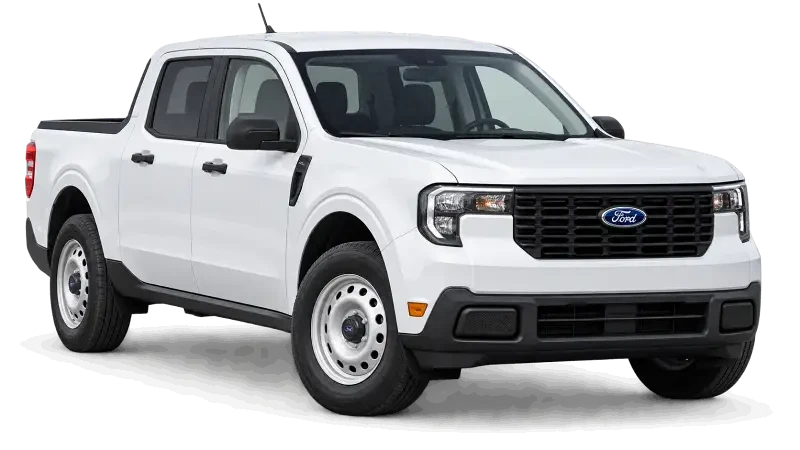
Ford Maverick
A smaller pickup that can work well for service businesses, supervisors and employees who need useful bed space without moving into a larger truck.
Explore Ford Maverick →Ford Ranger
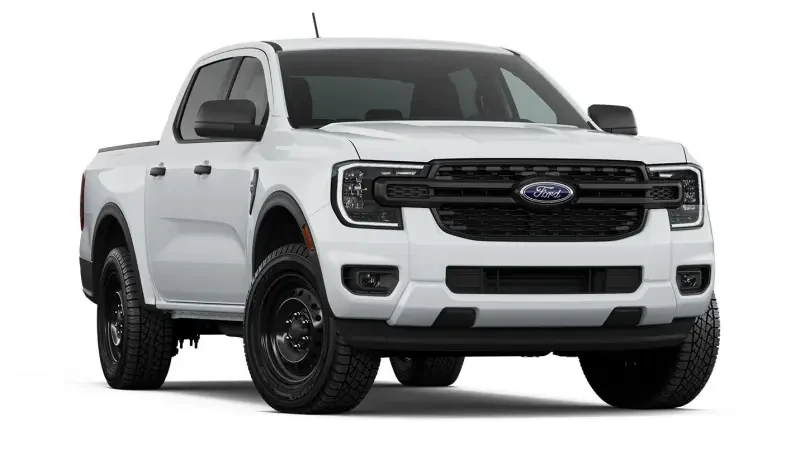
More traditional pickup capability in a midsize package for tools, equipment, towing and everyday commercial use.
Explore Ford Ranger →Ford F-150
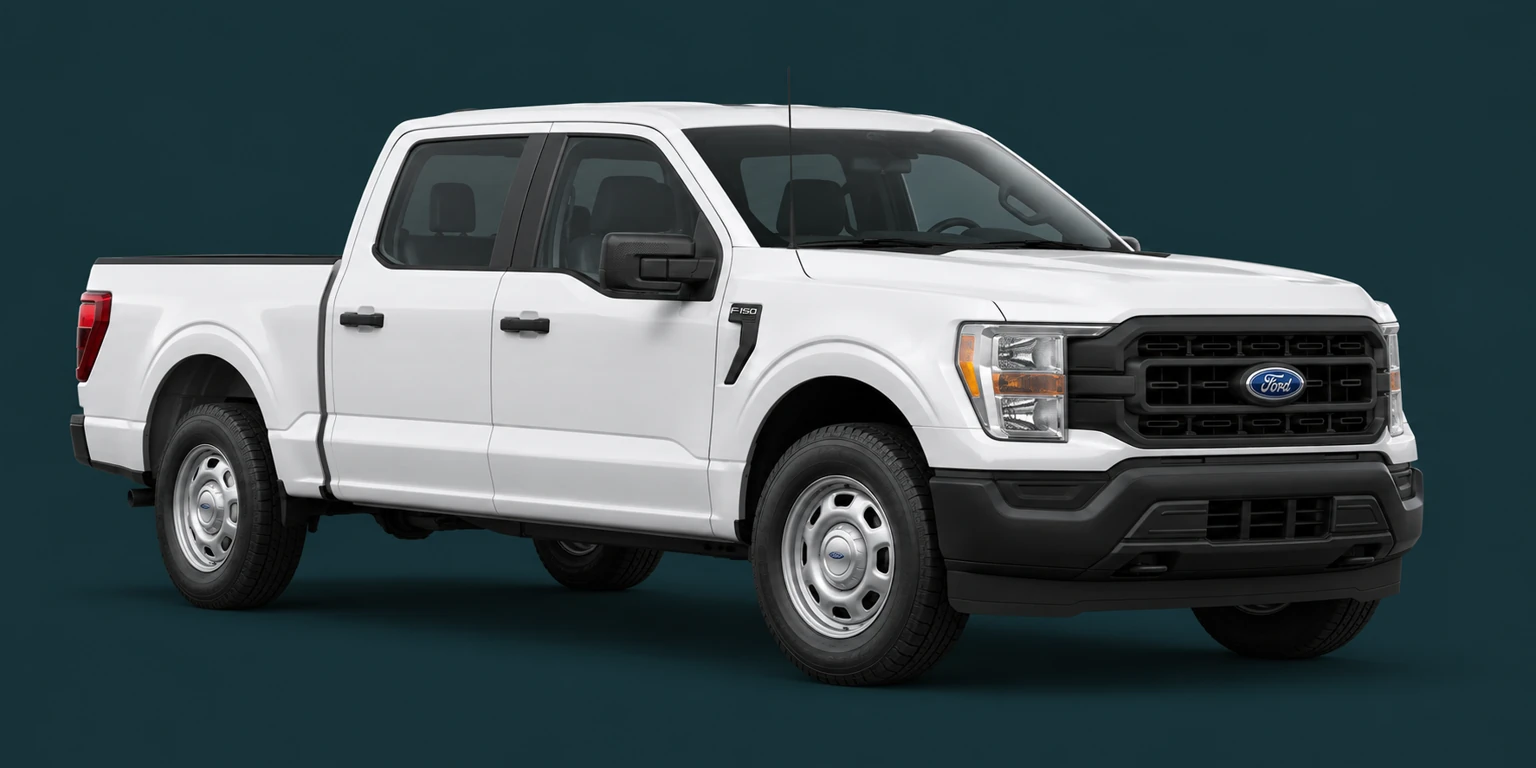
A broad range of configurations for businesses that need full-size pickup capability, greater payload, towing and available work-truck equipment.
Explore Ford F-150 →Ford Super Duty
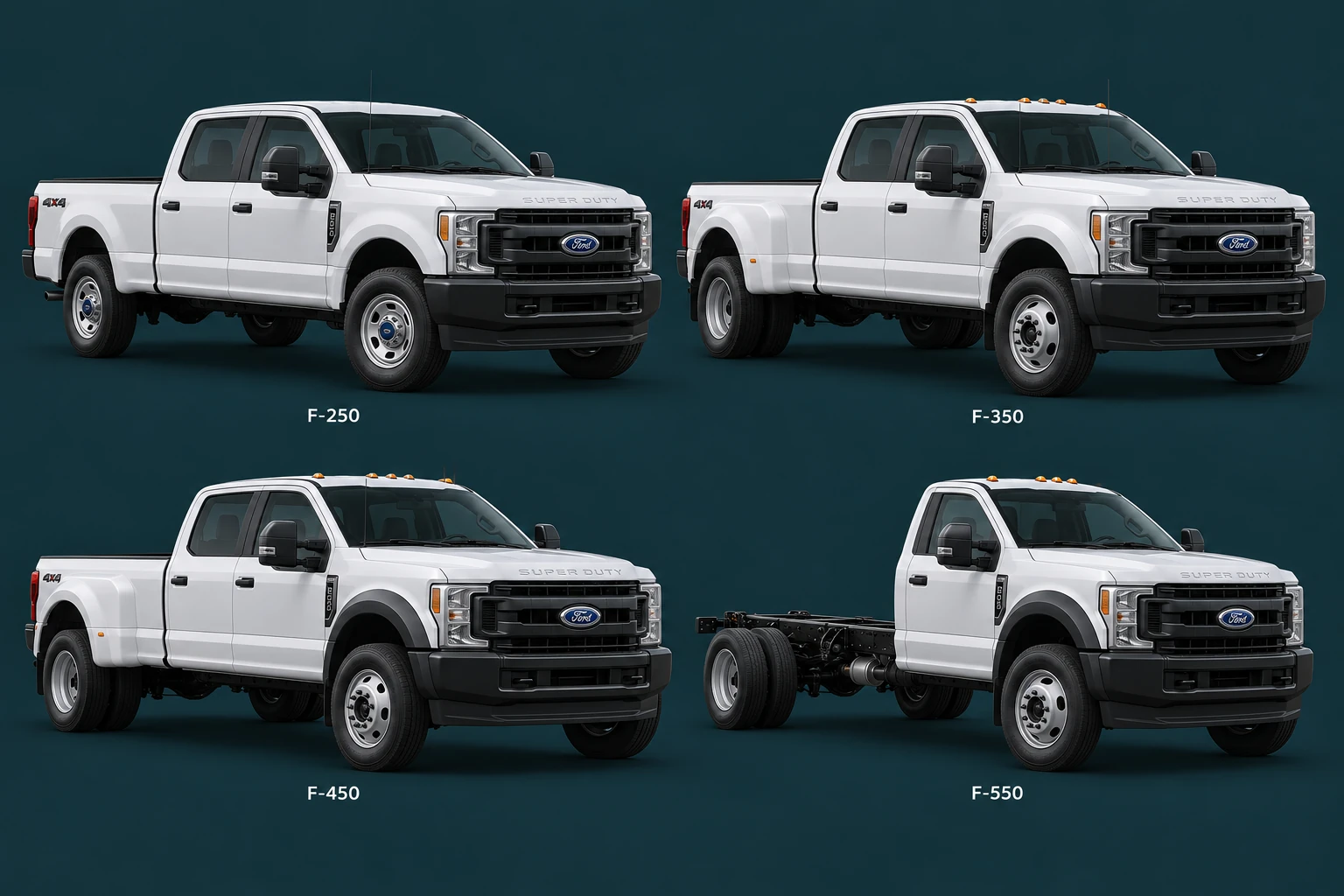
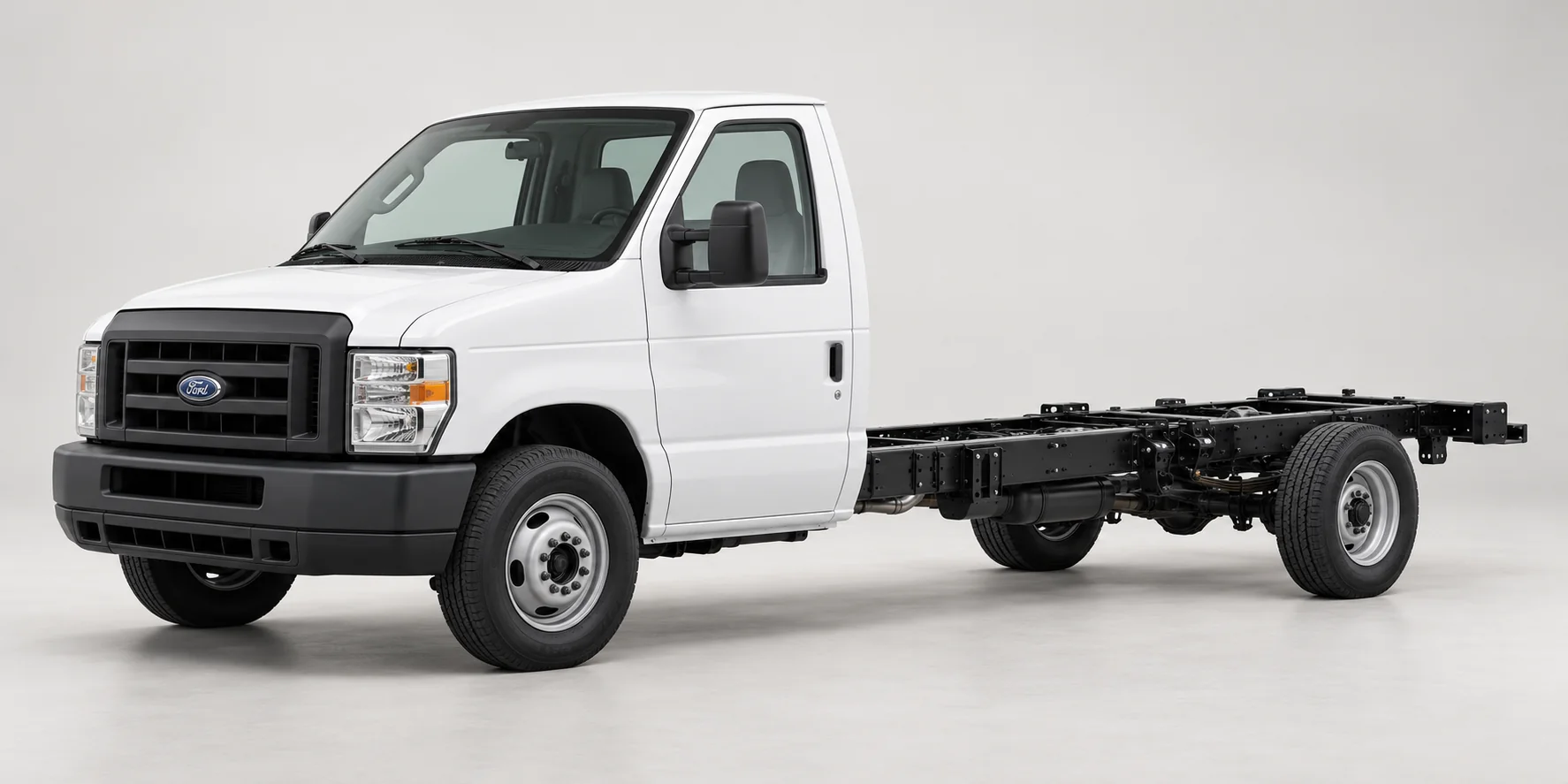
Heavy-duty pickups and chassis cabs for demanding towing, payload, commercial bodies and specialized work applications.
Explore Ford Super Duty →Ford Transit
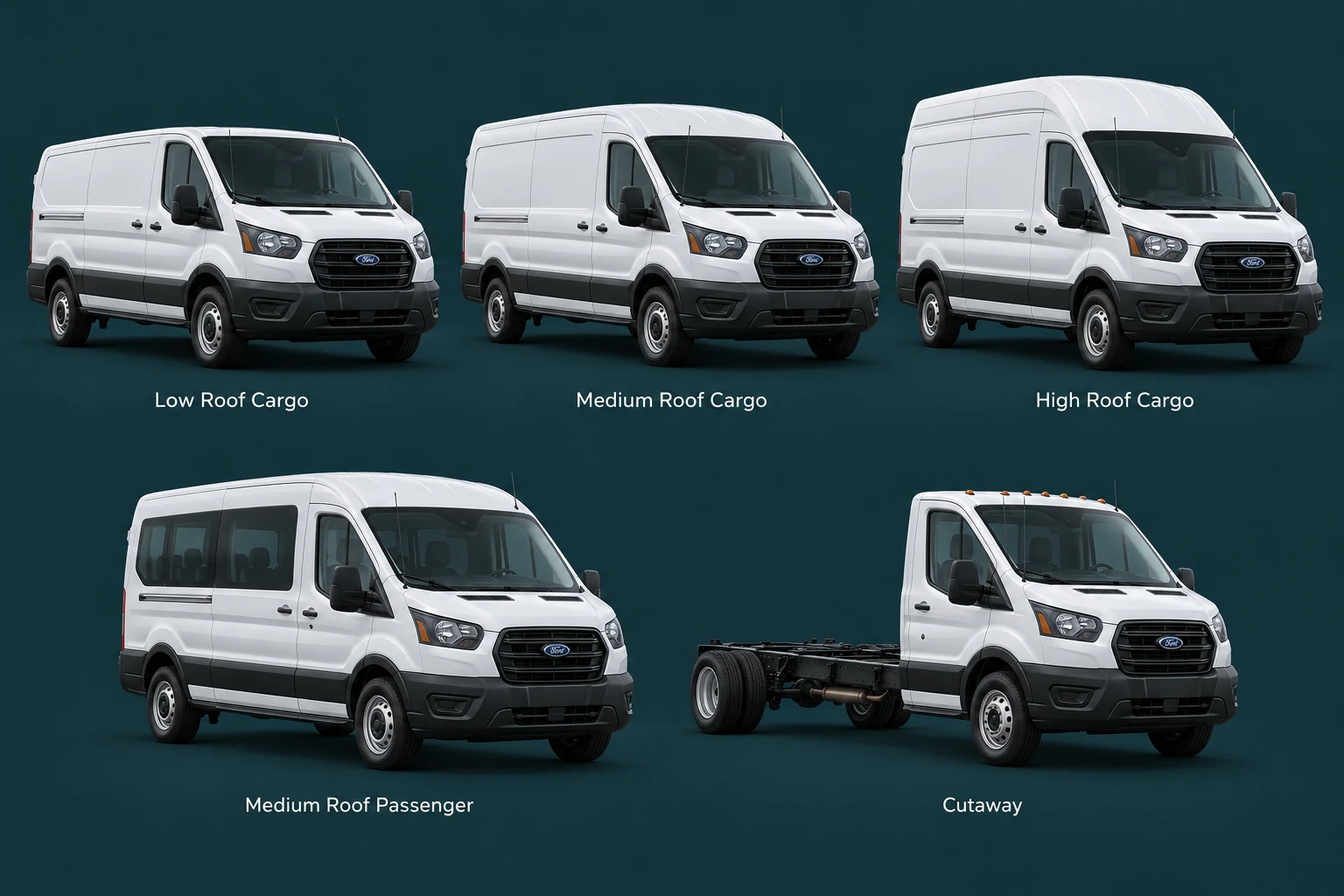
Cargo and passenger van configurations that can be matched to service, delivery, transportation and commercial upfit requirements.
Explore Ford Transit →Commercial Vehicle Selector
Start with payload, towing, cargo, crew and daily use and narrow down the Ford vehicles worth considering.
Use the Vehicle Selector →
Ford Maverick
Maverick can make sense for businesses that need pickup-bed utility but do not require the size or capability of a traditional full-size truck.
It can be useful for supervisors, estimators, service employees, property managers and businesses carrying lighter tools or supplies while spending a large part of the day driving.
- Compact exterior dimensions
- Hybrid and EcoBoost powertrain choices
- Available all-wheel drive
- Useful pickup-bed storage
- Available towing capability
Ford Ranger
Ranger can provide a useful middle ground between a compact Maverick and a full-size F-150.
It can handle tools, equipment, supplies and trailers while remaining manageable for employees who spend a large part of their day traveling between customers, jobsites and company locations.
- Midsize pickup capability
- Available 4×4
- Turbocharged EcoBoost powertrains
- Useful towing capability
- Four-door SuperCrew configuration


Ford F-150
F-150 is a strong fit for businesses that need more payload, towing capability and configuration flexibility than a compact or midsize pickup can provide.
Multiple cab, drivetrain, bed and available equipment combinations allow businesses to configure the truck around employees, tools, trailers and daily operating requirements.
- Multiple cab and bed configurations
- 2WD and 4WD choices
- Multiple powertrain options
- Commercial and fleet configurations
- Available towing and work technology
Ford Super Duty
Super Duty is designed for businesses with heavier towing, payload and commercial equipment requirements.
The Super Duty family includes pickup and chassis cab configurations that can support applications ranging from traditional work trucks to service bodies, dump bodies, platform bodies and specialized commercial equipment.
- Heavy-duty towing and payload applications
- Gas and diesel powertrain choices
- Pickup and chassis cab configurations
- Commercial body and upfit capability
- Multiple wheelbase and chassis choices


Ford Transit
Transit gives businesses a flexible commercial van platform that can be configured around cargo, passengers, tools, equipment and trade-specific upfits.
Roof height, vehicle length, cargo requirements and installed commercial equipment should all be reviewed together before deciding which Transit configuration to order.
- Multiple roof heights
- Multiple lengths and wheelbases
- Cargo and passenger applications
- Commercial shelving and storage
- Trade-specific upfit options
Start With What the Vehicle Needs to Do
A good commercial vehicle decision starts with the job rather than simply choosing a model or trim level.
Define the Job
Identify who will drive the vehicle, where it will operate and what the employee needs to accomplish each day.
Calculate the Load
Include passengers, tools, equipment, materials, permanent upfits and trailer tongue weight where applicable.
Review How It Will Be Used
Consider annual mileage, local driving, highway use, jobsites, towing and stop-and-go conditions.
Configure the Vehicle
Select the Ford model, powertrain, drivetrain, body, equipment and commercial upfit around those requirements.
Plan the Vehicle and the Upfit Together
The equipment installed on a commercial vehicle can affect payload, wheelbase, chassis selection, cargo space and final vehicle cost.
Service bodies, shelving, ladder racks, partitions, dump bodies and other commercial equipment should often be considered before the base vehicle is ordered.
Consider the Complete Work Vehicle
- Vehicle payload
- Body or shelving weight
- Tools and permanent equipment
- Passenger and crew weight
- Cargo and inventory
- Towing requirements
- Future equipment needs
Order the Vehicle Around the Job
Dealer inventory can be useful when a vehicle is needed immediately, but available inventory does not always match the exact needs of a business.
Factory ordering can allow a business to choose an available configuration around the job instead of limiting the decision to whatever happens to be in stock.
Learn About Factory Fleet Ordering →Ford Fleet Orders
If your business already knows which Ford vehicles it needs, we can review the configuration, applicable fleet programs, expected timing, upfits, financing and delivery requirements before the factory order is submitted.
Planning these items together helps create a cleaner and more predictable fleet-ordering process.
Learn About Ford Fleet OrdersPlan More Than the Vehicle
Qualified businesses should also review fleet programs, financing and future purchasing needs before placing vehicle orders.
Ford FIN Code
A Ford Fleet Identification Number identifies qualified fleet customers and may provide access to applicable Ford fleet programs and benefits.
Learn About Ford FIN Codes →Fleet Financing & Leasing
Review commercial financing, leasing and TRAC options based on how your business operates and replaces vehicles.
Explore Fleet Financing →Commercial Line of Credit
Businesses expecting multiple vehicle needs may want to review Ford Commercial Line of Credit options as part of future fleet planning.
Explore Ford CLOC →Fleet Planning Does Not End at Delivery
Once vehicles enter service, maintenance, utilization, driver behavior and replacement timing become part of the fleet-management decision.
Ford Pro resources such as Telematics can help larger fleets understand how vehicles are being used and identify opportunities to improve fleet operations.
Explore Ford TelematicsPlan the Vehicle Lifecycle
- Vehicle utilization
- Annual mileage
- Maintenance requirements
- Operating costs
- Replacement timing
- Future business growth
Useful Resources Before Your Next Vehicle Order
Use these tools and resources to think through vehicle, financing and replacement decisions before placing an order.
Commercial Vehicle Selector
Narrow the Ford models worth reviewing based on how the vehicle will actually be used.
Use the Vehicle Selector →Super Duty Truck Selector
Review body length, payload, crew and towing requirements for commercial Super Duty applications.
Use the Super Duty Selector →Additional Fleet Resources
Explore Ford Pro services, fleet financing, telematics, upfits and planning resources in one place.
Explore Additional Resources →Frequently Asked Questions
Which Ford vehicle is best for my business?
The right Ford depends on how the vehicle will be used. Payload, towing, cargo, passengers, annual mileage, commercial equipment and operating conditions should all be considered before choosing a model.
Can I factory order Ford vehicles for my business?
Yes. When eligible order banks are open, businesses can factory order Ford vehicles through a Ford dealership. Factory ordering can be useful when the configuration needed for the job is not available in dealer inventory.
Do I need a Ford FIN Code to purchase fleet vehicles?
FIN Code requirements depend on the customer and transaction. Businesses that may qualify for Ford fleet programs should review FIN Code eligibility before placing eligible fleet orders.
Should I choose the vehicle before planning the upfit?
Not always. Commercial equipment can affect payload, chassis, wheelbase, cargo space and other vehicle requirements. In many cases it is better to plan the base vehicle and the upfit together.
Can you help me compare several Ford vehicles?
Yes. We can start with what the business needs the vehicle to accomplish and compare Ford models and configurations that may fit those requirements.
Can you help with financing and future fleet planning?
Yes. Fleet vehicle planning can include financing, leasing, Ford Commercial Line of Credit options, telematics, upfits and future vehicle replacement needs.
Let’s Find the Right Ford Vehicle for Your Business
Tell us what your employees carry, how much they drive, what they need to tow and how the vehicle will be used. We can help narrow the Ford models and configurations worth reviewing before you place an order.