Ford Ranger Information & Future Ordering
Order a Ford Ranger around the way your business actually uses a truck — from payload and towing requirements to engine, drivetrain, equipment and future fleet needs.
Ranger can provide a useful middle ground for businesses that need more traditional pickup capability than Maverick without moving into the size of an F-150 or Super Duty.
What Should Your Business Consider?
Jump directly to the Ranger information that matters most to your fleet decision.
Factory Ordering
Configure a Ranger around your business instead of settling for whatever is currently in inventory.
Ranger Ordering ↓Is the Ford Ranger Right for Your Business?
The Ford Ranger can make sense for businesses that need the capability of a pickup truck but don’t necessarily need the size of an F-150 or Super Duty.
It gives employees a practical truck for carrying tools, parts, equipment and materials while remaining easier to maneuver than a full-size pickup.
For businesses operating a mixed fleet, Ranger can also fill the gap between a compact Maverick and a full-size F-150.
The important part isn’t simply choosing a Ranger. It is ordering the Ranger with the correct engine, drivetrain, towing equipment and payload capacity for the work your company expects it to perform.
Businesses That May Consider a Ranger
- General contractors
- Electrical contractors
- HVAC companies
- Plumbing companies
- Landscaping companies
- Property maintenance companies
- Pest control companies
- Municipal and government fleets
- Field service companies
- Construction supervisors
- Telecommunications contractors
- Businesses operating mixed vehicle fleets
A Midsize Truck Built for Real Work
Ranger gives businesses useful towing, payload and pickup-bed capability without moving all the way into a full-size truck.
Maximum ratings vary by configuration, engine, drivetrain, equipment, passengers and cargo. Always verify the specific vehicle configuration before ordering or towing.
Why Businesses Choose the Ford Ranger
Ranger can provide a useful balance between truck capability, employee usability and overall vehicle size.
Pickup Capability
Carry tools, equipment, parts and materials in a traditional pickup bed while maintaining room for employees inside the SuperCrew cab.
Strong Towing
Properly equipped XL, XLT and Lariat models can tow up to 7,500 pounds, making Ranger capable of handling many common commercial trailers.
Available 4×4
Available four-wheel drive can make Ranger useful for construction sites, unimproved roads, landscaping operations and other demanding work environments.
Midsize Footprint
Ranger can be easier to maneuver and park than a full-size pickup, especially for employees traveling between customers and jobsites throughout the day.
Crew Cab Seating
The SuperCrew configuration provides seating for up to five, making Ranger practical for companies that need to move employees and equipment.
Available Technology
Available towing, camera, driver-assistance and power features can help businesses configure the truck around the driver’s actual job.
Maverick, Ranger or F-150?
Ranger makes the most sense when its midsize capability fits the workload. Going smaller or larger should depend on what the truck actually needs to do.
Ford Maverick
Consider Maverick when lighter-duty pickup capability, fuel usage and maneuverability are higher priorities than Ranger’s additional towing and traditional truck capability.
Build & order Ford Maverick →Ford Ranger
Consider Ranger when you need traditional pickup capability, useful payload and strong towing without moving into a full-size truck.
Ford F-150
Consider F-150 when the workload requires greater capability, more configurations or a larger truck than Ranger can reasonably provide.
Build & order Ford F-150 →Ford Ranger Engine Options
Engine selection should be based on how the truck will actually be used rather than simply choosing the highest available output.
2.3L EcoBoost
The 2.3L EcoBoost is the standard Ranger engine and can be a practical choice for businesses that need everyday pickup capability without moving to the larger V6.
- Standard on XL
- Standard on XLT
- Standard on Lariat
- Available 4×2 or 4×4
- Up to 7,500 lbs. available towing
2.7L EcoBoost V6
The available 2.7L EcoBoost V6 provides a significant increase in torque for businesses that regularly carry equipment, tow trailers or want additional power available.
- Available on XLT
- Available on Lariat
- Paired with 4×4
- Up to 7,500 lbs. available towing
- 400 lb.-ft. of torque
3.0L EcoBoost V6
The 3.0L EcoBoost V6 is standard on Ranger Raptor and is designed around the Raptor’s specialized performance and off-road capability.
- Standard on Ranger Raptor
- Standard 4×4
- 405 horsepower
- 430 lb.-ft. of torque
- 5,510-lb. maximum available towing
Ford Ranger Towing Capacity
Towing is one of the biggest reasons a business might choose Ranger instead of Maverick.
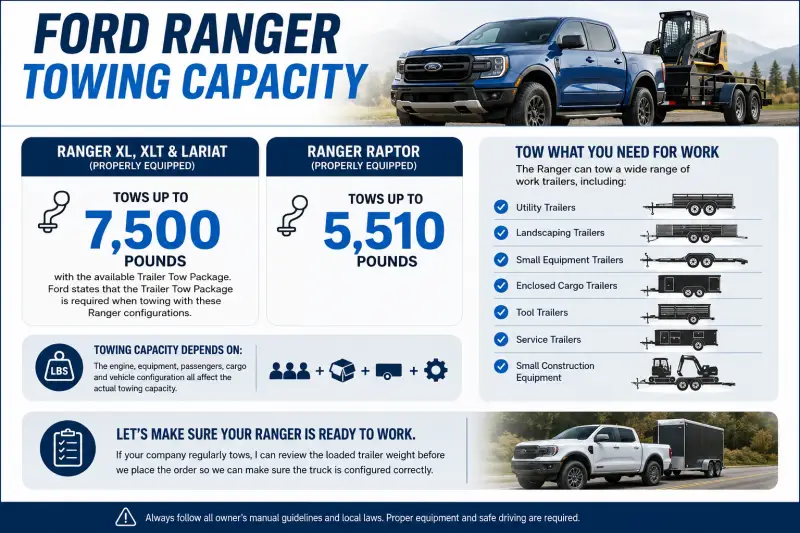
Properly equipped Ranger XL, XLT and Lariat models can tow up to 7,500 pounds with the available Trailer Tow Package.
The Ranger Raptor has a maximum available towing capacity of 5,510 pounds.
Important: Ford states that the available Trailer Tow Package is required when towing with XL, XLT and Lariat configurations.
Work Trailers Ranger May Be Able to Handle
- Utility trailers
- Landscaping trailers
- Small equipment trailers
- Enclosed cargo trailers
- Tool trailers
- Service trailers
- Small construction equipment
Before placing the order, review the expected loaded trailer weight, equipment, passengers and cargo. If the workload begins to exceed what makes sense for Ranger, F-150 or Super Duty may be a better fleet choice.
Maximum towing capacity varies by vehicle configuration, engine, equipment, passengers, cargo and other factors. Trailer weight, tongue weight and vehicle ratings should always be verified before towing.
Ford Ranger Payload Capacity
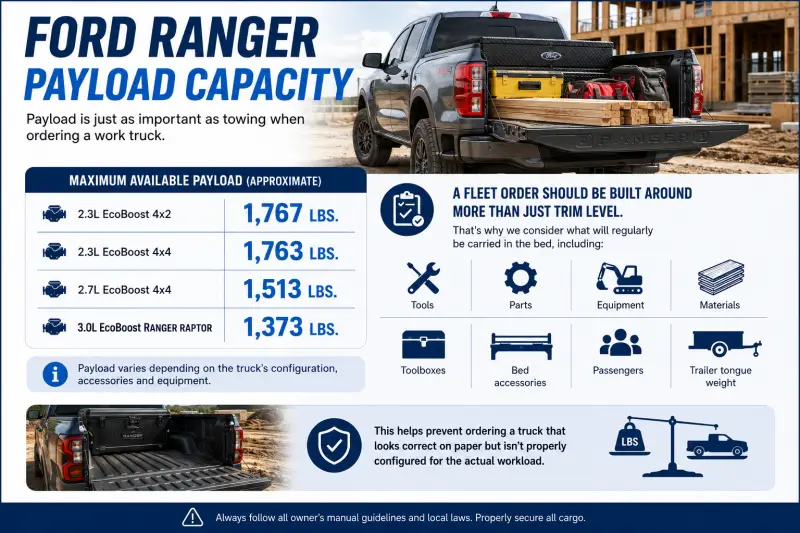
Payload can be just as important as towing when ordering a work truck.
Everything added to the truck consumes part of its available payload capacity, including employees, tools, equipment, accessories and trailer tongue weight.
2.3L EcoBoost 4×2:
1,767 lbs.
2.3L EcoBoost 4×4:
1,763 lbs.
2.7L EcoBoost 4×4:
1,513 lbs.
3.0L EcoBoost Ranger Raptor:
1,373 lbs.
Payload varies depending on the truck’s specific configuration and installed equipment.
What Will Actually Be Carried in the Truck?
A fleet order should be built around more than the trim level. Everything that regularly travels with the truck needs to be considered.
- Tools
- Parts
- Equipment
- Materials
- Toolboxes
- Bed accessories
- Passengers
- Trailer tongue weight
This helps prevent ordering a truck that looks correct on paper but isn’t properly configured for its actual workload.
Ranger Bed and Cargo Capability
Ranger provides a traditional pickup bed for tools, supplies, equipment and materials.
Ford lists approximately 43.5 cubic feet of bed cargo volume for the 2026 Ranger.
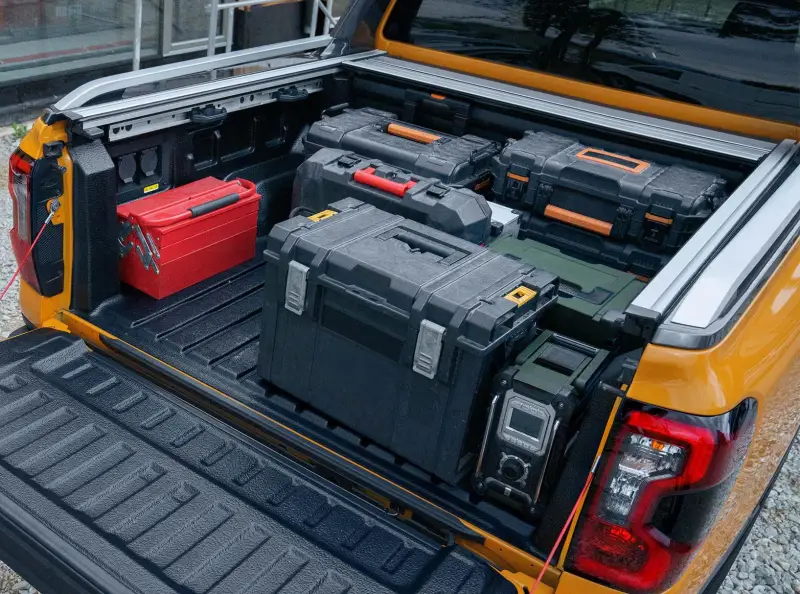
Think About Equipment Before You Order
Accessories and commercial equipment can change how the truck needs to be configured, which is why it helps to plan them before the factory order is submitted.
Toolboxes
Cross-bed and other toolbox systems add useful storage but also consume part of the truck’s available payload.
Bed Covers
Tonneau covers and similar systems can help secure tools, supplies and equipment.
Bed Racks
Rack systems may help businesses transport ladders, long materials and other jobsite equipment.
Towing Equipment
Trailer equipment should be considered during the initial truck configuration rather than after the order is placed.
Bed Protection
Bedliners and other protective equipment can help prepare a Ranger for repeated commercial use.
Job-Specific Equipment
Review what employees use every day before deciding how the truck should be ordered and equipped.
Need more specialized equipment? Review our Commercial Vehicle Upfits resource before finalizing the vehicle configuration.
Ford Ranger Trim Levels
Choosing a fleet truck isn’t about buying the most expensive trim. It’s about getting the features employees need without paying for equipment that doesn’t benefit the operation.
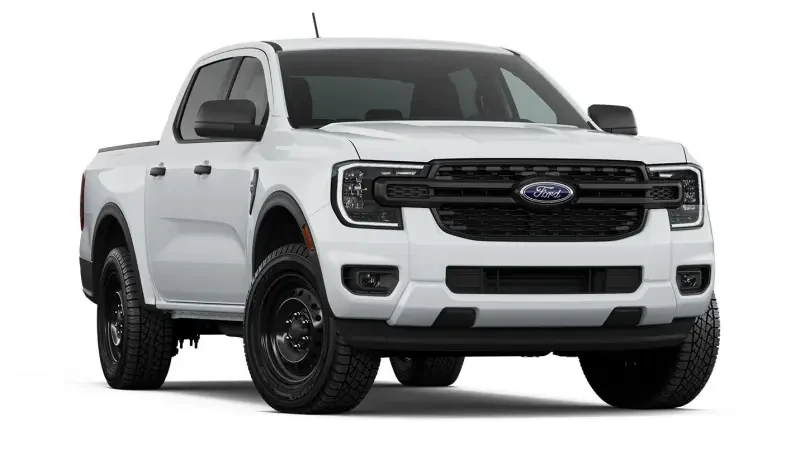
Ranger XL
XL is a natural starting point for commercial buyers focused on capability, durability and controlling acquisition cost.
- 2.3L EcoBoost
- Available 4×4
- Available Trailer Tow Package
- Practical fleet configuration
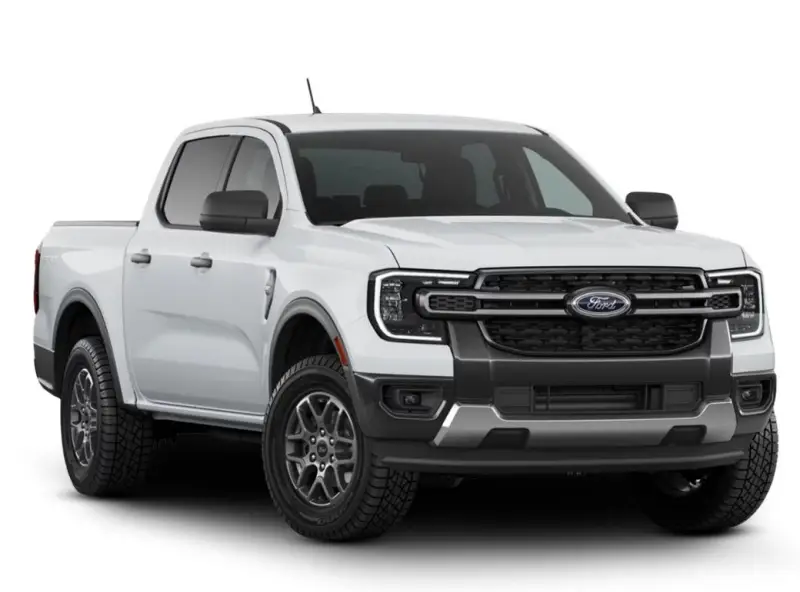
Ranger XLT
XLT can make sense when a company wants additional comfort and available technology while retaining strong work capability.
- 2.3L EcoBoost
- Available 2.7L EcoBoost
- Available 4×4
- Available towing technology
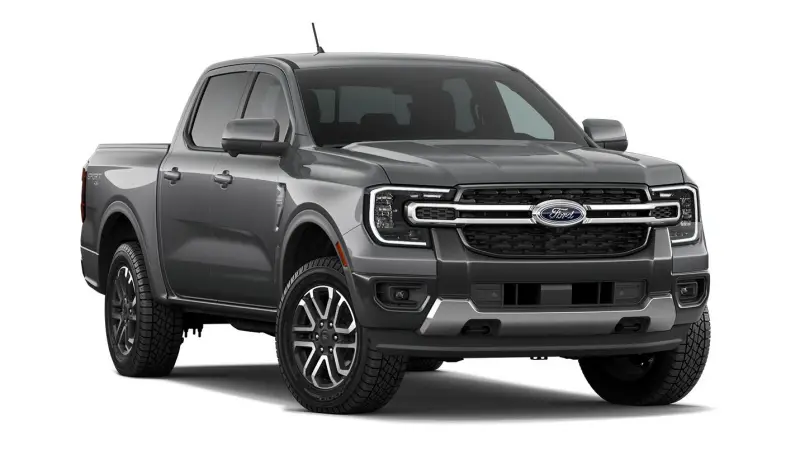
Ranger Lariat
Lariat adds more comfort, convenience and technology for companies assigning trucks to managers, owners or employees spending substantial time on the road.
- 2.3L EcoBoost
- Available 2.7L EcoBoost
- Available 4×4
- Additional comfort and technology
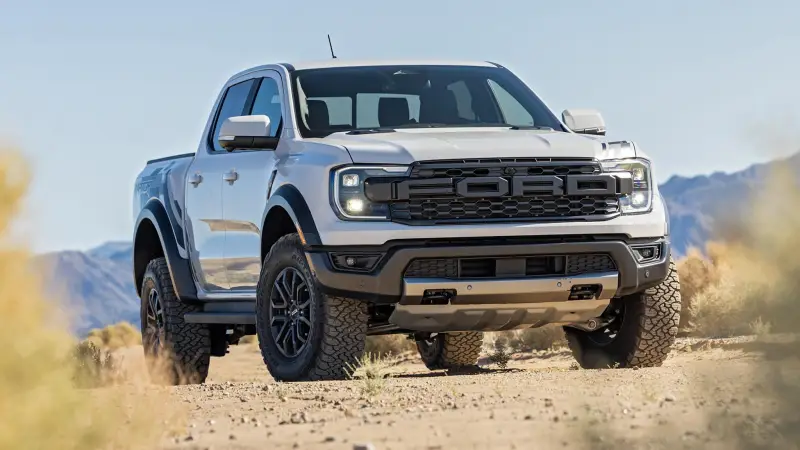
Ranger Raptor
Ranger Raptor is the specialized performance and off-road version of Ranger rather than the typical choice for a cost-focused work fleet.
- 3.0L EcoBoost V6
- Standard 4×4
- Specialized off-road equipment
- 5,510-lb. max available towing
Don’t Start With the Trim Level
A better Ranger fleet order starts with the job the truck needs to perform.
Define the Job
Determine who will drive the Ranger and what the employee does during a typical workday.
Calculate the Load
Consider passengers, tools, equipment, materials, accessories and trailer tongue weight.
Determine Towing
Identify the trailers the truck will pull and their expected loaded weights.
Build the Truck
Select the engine, drivetrain, packages and equipment around those requirements.
Ford Ranger Order Availability
Factory ordering allows a business to select the Ranger configuration needed instead of limiting the purchase to trucks that happen to be sitting in dealer inventory.
This can be especially useful when your company requires a particular drivetrain, towing package, color, trim or equipment combination.
Order banks, production schedules and vehicle availability can change. Current Ranger ordering information should be confirmed before making purchasing plans.
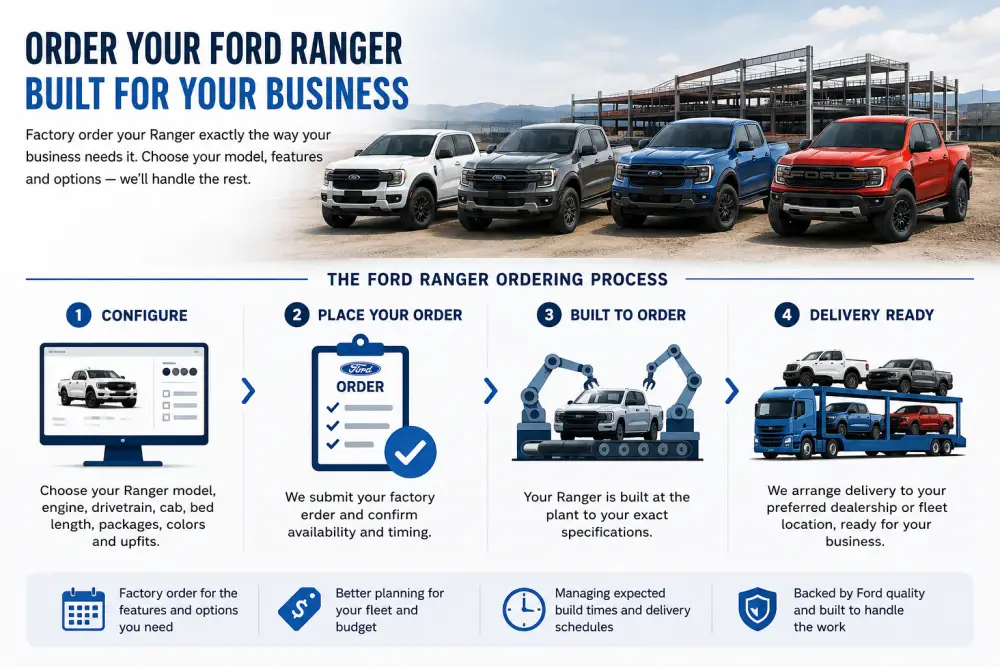
Build the Ranger Around Your Business
Get the Configuration You Need
Choose the drivetrain, engine, towing equipment, trim and options that make sense for the employee’s job.
Avoid Unnecessary Equipment
Fleet planning can help prevent paying for options that provide little value to the actual operation.
Plan Future Replacements
Ordering can become part of a longer-term vehicle replacement plan instead of waiting until a truck must be replaced immediately.
Explore Replacement Planning →Want to understand the complete ordering process? Visit our Ford Factory Fleet Ordering resource.
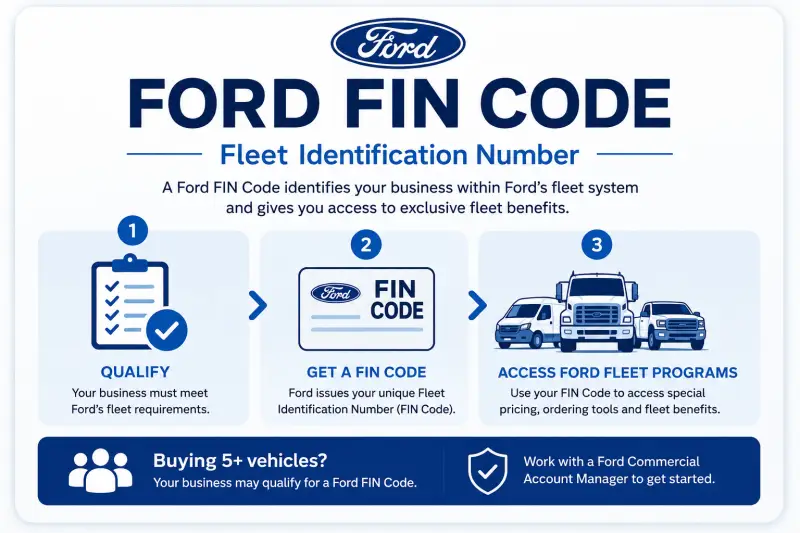
Do You Have a Ford FIN Code?
A Ford Fleet Identification Number, commonly called a FIN Code, identifies qualified fleet customers within Ford’s fleet system.
If your business qualifies, a FIN Code may provide access to applicable Ford fleet programs and fleet purchasing opportunities that are different from a traditional retail vehicle purchase.
If you don’t currently have a FIN Code, we can help review your business and fleet needs and determine whether your company may qualify.
Plan How the Ranger Fits Into the Fleet
The right Ranger configuration is only part of the decision. Financing, future vehicle needs and how the truck is managed after delivery can also affect long-term fleet costs.
Fleet Financing & Leasing
Review commercial financing, leasing and TRAC options based on how your business acquires and replaces vehicles.
Explore Fleet Financing →Commercial Line of Credit
Businesses expecting multiple future vehicle needs may want to review Ford Commercial Line of Credit options as part of their fleet strategy.
Explore Ford CLOC →Ford Telematics
Larger fleets can use connected vehicle data to better understand utilization, vehicle health, maintenance and driver activity.
Explore Ford Telematics →The Ford Ranger Fleet Ordering Process
A successful fleet order starts with understanding how your business will use the truck, then building the Ranger around those requirements.
Fleet Needs Review
Review current vehicles, employees, workload, replacement plans and future fleet requirements.
Build the Ranger
Determine the engine, drivetrain, trim, towing equipment and available options appropriate for the job.
Review & Order
Review the configuration, available fleet programs, pricing and ordering details before submitting the order.
Track & Deliver
Stay involved through scheduling, production and delivery as order information becomes available.
Factory order timing can vary based on model year, configuration, production schedules and availability. If you expect to need Rangers in the coming months, planning before the vehicle becomes urgent can provide more flexibility.
More Resources for Your Fleet
If Ranger is only one part of your fleet, these resources can help with the rest of your vehicle strategy.
Ford Fleet Orders
Learn how Ford commercial and fleet orders can be planned, submitted, tracked and coordinated.
Explore Ford Fleet Orders →Fleet Replacement Planning
Identify future truck replacements before another fleet vehicle becomes an urgent purchase.
Plan Future Replacements →Additional Fleet Resources
Explore Ford fleet financing, telematics, upfits, planning and other resources available to businesses.
Explore Fleet Resources →Ford Ranger Fleet Ordering Questions
How much can a Ford Ranger tow?
Properly equipped Ford Ranger XL, XLT and Lariat models can provide up to 7,500 pounds of maximum available towing capacity. Ford requires the available Trailer Tow Package for towing with these configurations. Ranger Raptor provides up to 5,510 pounds of maximum available towing capacity.
What is the Ford Ranger’s payload capacity?
Payload depends on the specific engine, drivetrain and vehicle configuration. For example, Ford lists up to 1,767 pounds for the 2.3L EcoBoost 4×2 configuration, while other configurations have different ratings. Always verify the specific truck before ordering.
Is the Ranger available with four-wheel drive?
Yes. Four-wheel drive is available on Ranger XL, XLT and Lariat, while Ranger Raptor comes with 4×4.
Should my business choose a Ranger or F-150?
Ranger may be a good fit when a business needs traditional pickup capability and strong towing while preferring a midsize truck. Businesses requiring greater capability or additional configurations may be better served by an F-150.
Should my business choose a Ranger or Maverick?
Maverick can make sense for lighter-duty applications where maneuverability and fuel usage are priorities. Ranger can be a better fit when greater towing, payload and traditional pickup capability are needed.
Can businesses factory order a Ford Ranger?
Ford currently shows the 2026 Ranger as available to configure and order through a Ford dealer. Order banks and production availability can change, so current availability should be confirmed before planning an order.
Learn more about Ford fleet ordering .
Do I need a Ford FIN Code to order a Ranger?
A business does not necessarily need a FIN Code simply to purchase a Ranger, but qualifying fleet customers may benefit from Ford fleet programs and fleet purchasing opportunities.
Can you help determine the correct Ranger configuration?
Yes. We can review expected payload, trailer weight, drivetrain needs, employee use, equipment and future fleet requirements before the order is submitted.
Need Help Ordering the Right Ford Ranger for Your Business?
Before placing the order, we can review how your business will actually use the truck and determine which Ranger configuration makes the most sense.
Tell Me About Your Fleet Needs
Complete the short form below and we’ll review which Ranger configuration makes sense for your business and upcoming fleet needs.